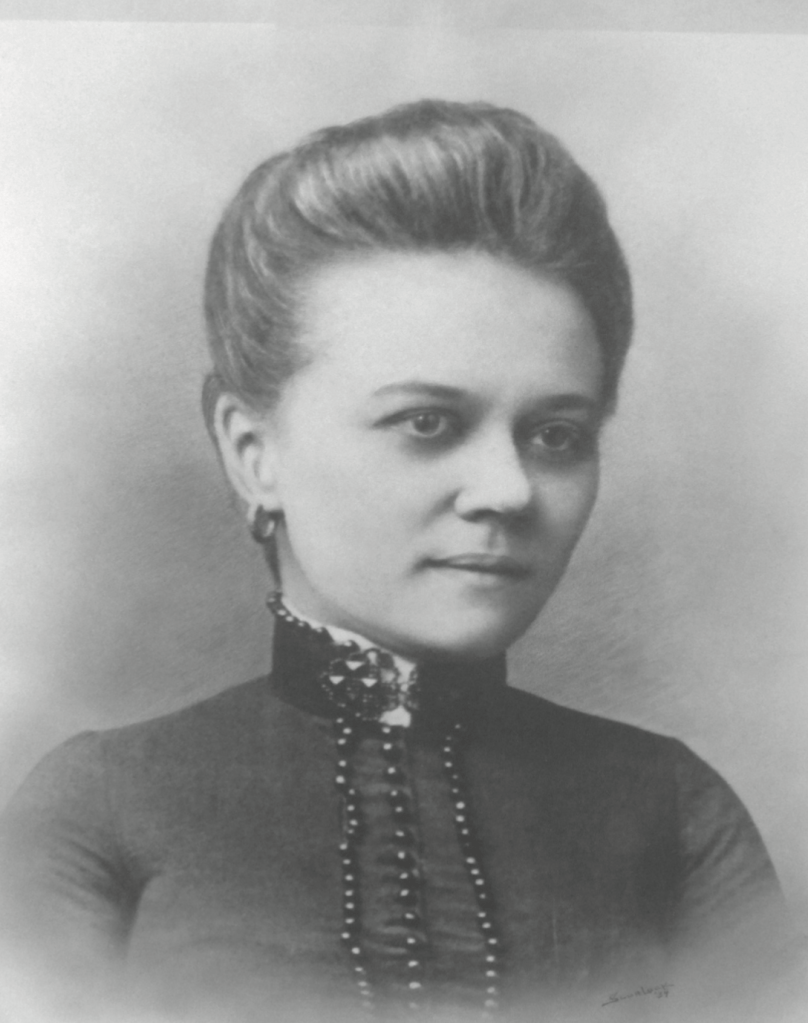
Drawing on works by feminist and performance studies scholars, this essay examines the first performance of Angelina Weld-Grimké’s 1916 anti-lynching play Rachel. Charting the coming-to-consciousness of its protagonist, Rachel Loving, the play stages one woman’s rejection of motherhood in a context of white supremacist violence. Recent critics situate Rachel in relation to a broader context of twentieth-century plays by women that fostered interracial dialogue between black and white women. This essay offers an alternative account that focuses on the play’s inaugural performance at the Myrtilla Miner Normal School, an institution dedicated to the education and training of African American women.
This essay was published in Legacy: A Journal of American Women Writers (2018)
To read this essay, please click HERE
 Rachel Elin Nolan